
Obraz: Extinction Rebellion
Drogi buntowniku / droga buntowniczko,
Zarówno Indie, jak i Pakistan od kilku lat borykają się z okresami ekstremalnych upałów, ale dla wielu mieszkańców Globalnej Północy dotychczas był to problem „tych tam”. Miniony miesiąc uświadomił mieszkańcom Europy i wielu regionów Ameryki Północnej, jak naprawdę odczuwa się temperaturę 40°. Prawa pracowników w czasie fal upałów stały się nagle sprawą pilną. A szczególną ironią losu okazał się fakt, że wydarzenie w ramach Londyńskiego Tygodnia Klimatycznego poświęcone nadmiernym upałom musiało zostać odwołane z powodu… nadmiernych upałów.
Nadawanie nazw ekstremalnym falom upałów może być krokiem w kierunku uświadomienia ludziom, że nie przypominają one dawnych fal upałów z XX wieku – nasze temperatury odniesienia wzrosły już o 1° do 1,5°, więc każda fala upałów zaczyna się z wyższego poziomu. Co może zrobić pojedyncza osoba? Za każdym razem, [gdy ktoś wspomina o upale, poruszaj temat kryzysu klimatycznego spowodowanego wykorzystaniem paliw kopalnych, który jest jego przyczyną. Zastanów się nad własnym przygotowaniem na upały. Rozejrzyj się po swojej okolicy – czy są tam punkty, w których możesz się schłodzić? Skontaktuj się z władzami gminy i lokalnymi organizacjami, aby dowiedzieć się, jak można stworzyć więcej takich miejsc. Społeczność zaczyna się od zwykłych rozmów między ludźmi. Przywitaj się z sąsiadami. Podziel się jakąś historią. Dbajcie o siebie nawzajem.
Zespół redakcyjny newslettera poświęci sierpień na odpoczynek i nabranie sił. Życzymy więc miłej lektury lipcowego wydania – we wrześniu wrócimy pełni miłości i gniewu!
Ten newsletter dostarcza Wam XR Global Support, międzynarodowa sieć buntowników i buntowniczek, którzy pomagają naszemu ruchowi się rozwijać. Potrzebujemy środków, aby kontynuować nasze działania.
NAJLEPSZY PREZENT NA WAKACJE: PLANETA ZDATNA DO ŻYCIA
Najważniejsze działania
Czerwiec 2026 | XR Zjednoczone Królestwo
Obraz: XR Zjednoczone Królestwo
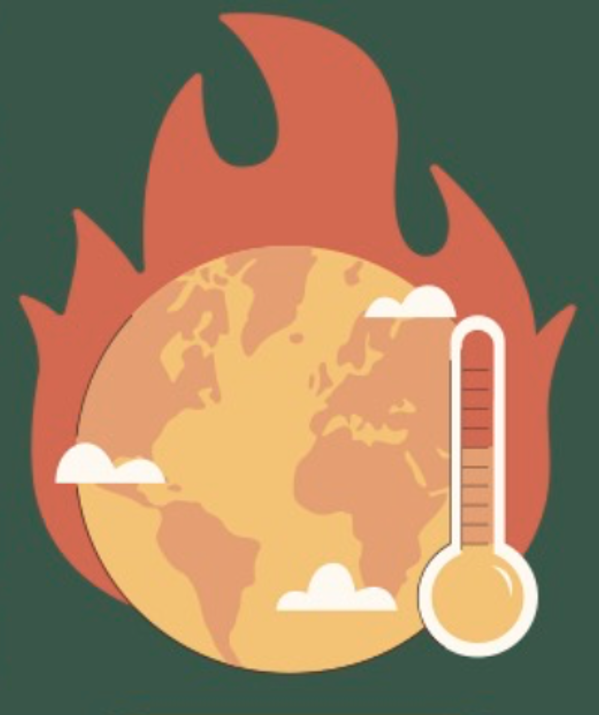
Jest goręcej niż w piekle – odporność społeczności na fale upałów
Najnowszy materiał zamieszczony na stronie „Rebel Toolkit” stworzonej przez XR Zjednoczone Królestwo to bardzo aktualna ulotka, którą warto wydrukować i rozpowszechniać. Zawiera ona wskazówki, które pomogą Twojej społeczności przygotować się na fale upałów i zachować bezpieczeństwo w ich trakcie.
Dla indywidualnych gospodarstw domowych istnieje również kilka niedrogich i niewymagających dużego wysiłku sposobów na samodzielne schłodzenie domu w upalne dni. Jedną z prostych, a jednocześnie skutecznych wskazówek jest posmarowanie szyb okiennych naturalnym jogurtem, dzięki czemu szkło odbija ciepło słoneczne. Kto by pomyślał?
Na stronie „Rebel Toolkit” znajdziesz również inne materiały do pobrania, które pomogą zainicjować rozmowy na temat odporności na katastrofy w Twoich społecznościach i wśród sąsiadów. Aby poznać praktyczne sposoby przygotowania się na zakłócenia związane z klimatem lub awarie systemów, zapoznaj się z obszernym przewodnikiem „XReadiness”. Pamiętaj, że silne więzi z otaczającymi Cię ludźmi stanowią jedną z najpotężniejszych form odporności.
Aktualizacja akcyjna
JCzerwiec 2026 | XR Beni
Obraz: XR Beni
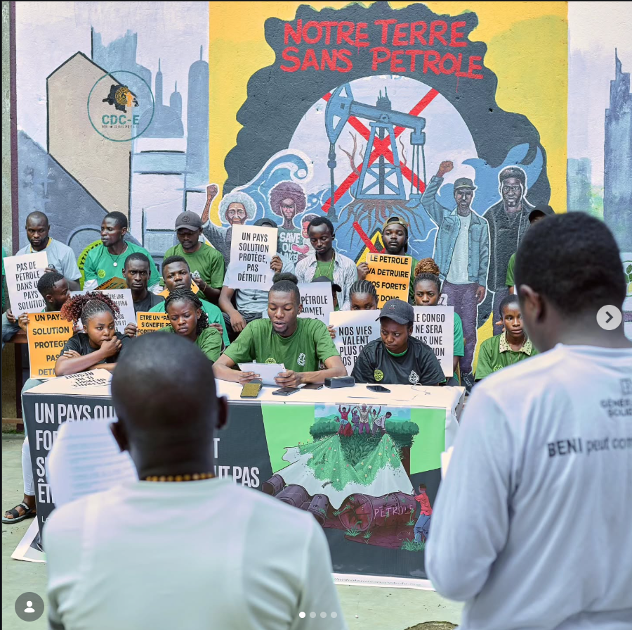
Koalicja NTSP żąda zatrzymania ekspansji projektów naftowych od DRK i Ugandy
Rebelianci i Rebeliantki z Beni oraz Sojusz Kotliny Konga, wchodzący w skład koalicji „Notre Terre Sans Pétrole” (NTSP), połączyli siły z organizacjami partnerskimi kampanii „Stop EACOP”, aby wysłać list otwarty – podpisany przez 65 organizacji – do prezydenta DRK Félixa Tshisekediego oraz prezydenta Ugandy Yoweriego Museveniego. W liście wyrażono zaniepokojenie rozmowami na temat ekspansji wydobycia ropy naftowej w regionie Rowu Albertyńskiego i jeziora Alberta w zachodniej Ugandzie oraz ostrzegano przed dopuszczeniem do sytuacji, w której istniejąca infrastruktura, taka jak EACOP, stałaby się bramą umożliwiającą rozszerzenie działalności naftowej w głąb DRK.
List ten jest następstwem wizyty Tshisekediego w Kampali w maju 2026 r., podczas której zaproponował on wspólną eksploatację wspólnego złoża w Rowie Albertyńskim oraz transport ropy naftowej z DRK istniejącym rurociągiem w Ugandzie.
Społeczności i działacze, którzy stoją za tym listem, niepokoją się o przyszłość jednego z najbardziej różnorodnych biologicznie ekosystemów na świecie. Basen Konga i region Jeziora Alberta obejmują niezastąpione lasy deszczowe, a także źródła słodkiej wody oraz niezliczone gatunki i społeczności, których przetrwanie zależy od zachowania nienaruszalności tych terenów. Realizacja takiego projektu popchnie ten wrażliwy region w kierunku punktu, z którego nie ma już powrotu.
Przeczytaj list | Podpisz list
Aby dowiedzieć się więcej o działaniach Rebeliantów i Rebeliantek XR na całym świecie, śledź @extinctionrebellion
Positive News
‘„Równy i zdatny do zamieszkania świat jest możliwy”: naukowcy przedstawiają szeroko zakrojoną wizję przetrwania naszej planety | The Guardian
Nowy raport „Global Justice Report” opracowany przez World Inequality Lab (WIL) przedstawia optymistyczną wizję przyszłości, dowodząc, że możliwe jest stworzenie świata, który zapewniłby dobrobyt zarówno ludziom, jak i planecie. Zamiast przedstawiać działania na rzecz klimatu i rozwój gospodarczy jako konkurujące ze sobą priorytety, raport pokazuje, że obie te rzeczy mogą iść w parze. Według raportu globalny standard życia mógłby ulec znacznej poprawie przy jednoczesnym utrzymaniu globalnego ocieplenia poniżej 2°C. Naukowcy sugerują, że dzięki ambitnej współpracy międzynarodowej, czystszym systemom energetycznym, sprawiedliwszej polityce gospodarczej oraz bardziej zrównoważonym wzorcom konsumpcji niemal każdy mógłby cieszyć się lepszą jakością życia do końca tego stulecia.
Wizja ta obejmuje również zmniejszenie skrajnych nierówności poprzez zapewnienie bardziej sprawiedliwego podziału bogactwa i szans między poszczególne kraje i społeczności. Raport podkreśla potencjał związany ze skróceniem czasu pracy, zwiększeniem inwestycji w opiekę zdrowotną i edukację oraz poprawą równości płci, co pozwoli stworzyć społeczeństwa zdrowsze, bardziej odporne i bardziej integracyjne. Co ważne, badacze podkreślają, że zasoby i technologie niezbędne do osiągnięcia tych celów już istnieją. Najbardziej potrzebna jest wola polityczna i globalna współpraca. W czasach, gdy dyskusje na temat zmian klimatycznych często mogą wydawać się przytłaczające, raport stanowi pełne nadziei przypomnienie, że zrównoważona, sprawiedliwa i dostatnia przyszłość pozostaje w zasięgu ręki, jeśli rządy, przedsiębiorstwa i obywatele zaangażują się w odważne i skoordynowane działania.
Antologia konkursowa Imagine z 2025 – Grist
„Imagine 2200: Climate Fiction for Future Ancestors” to inicjatywa z zakresu climate fiction realizowana przez Grist. Grist jest niezależną organizacją medialną typu non-profit skupiającą się na dziennikarstwie klimatycznym, jednak ten projekt wychodzi od prostego przekonania: same fakty nie zawsze wywierają na ludzi taki wpływ, jak opowieści.
Zbiór ten gromadzi głosy z całego świata, zwłaszcza ze społeczności najbardziej dotkniętych zmianami klimatycznymi. Najbardziej rzuca się w oczy różnorodność. Dwanaście opowiadań należy do różnych gatunków, osadzonych jest w różnych obszarach geograficznych i wykorzystuje różne rejestry emocjonalne, dzięki czemu zbiór ten stanowi barwną mozaikę, na którą składa się między innymi folklor, kuchnia, rodzina, ekologia, migracja i pamięć. Wszyscy autorzy i autorki pracowali nad tym samym tematem: „wyobraź sobie przyszłość, w której da się żyć”, a każda z tych osób doszła do swoich własnych, osobistych wniosków. W świecie, w którym media generowane przez sztuczną inteligencję zajmują centralne miejsce, a oryginalność schodzi na dalszy plan, „Imagine 2200” jest dowodem na to, że wciąż mamy w sobie mnóstwo wyobraźni. Przeczytaj cały zbiór.
Lektury obowiązkowe
Największe banki świata przeznaczyły w 2025 r. 906 mld dolarów na rzecz przedsiębiorstw z sektora paliw kopalnych, co stanowi „niepojęty” wzrost, pokazuje raport
Podczas gdy świat stara się jak najszybciej stawić czoła kryzysowi klimatycznemu, najnowszy raport „Banking on Climate Chaos” ujawnia, że 65 największych banków świata zainwestowało w 2025 r. oszałamiającą kwotę 906 miliardów dolarów w przedsiębiorstwa zajmujące się paliwami kopalnymi, co stanowi wzrost o 8% w porównaniu z rokiem poprzednim. Podczas gdy rządy i przedsiębiorstwa zobowiązują się do osiągnięcia zerowej emisji netto, obrońcy środowiska ostrzegają, że dalsze inwestycje w węgiel, ropę i gaz podważają globalne wysiłki na rzecz klimatu. Raport ten stanowi aktualne przypomnienie, że kierunek przepływu finansów ma znaczenie, a banki odgrywają kluczową rolę w przyspieszeniu przejścia na energię odnawialną i gospodarkę niskoemisyjną. Więcej na ten temat można przeczytać tutaj.
Sprzeciw i apatia – jak zrozumieć prawdziwe zagrożenia dla „zera netto”? – PersuasionUK
W 2019 roku rząd Theresy May sformalizował strategię mającą na celu osiągnięcie równowagi w emisjach gazów cieplarnianych w Wielkiej Brytanii, dążącą do poziomu „zera netto” do 2050 roku. Drogą do tego celu jest masowa dekarbonizacja brytyjskiej gospodarki poprzez odejście od paliw kopalnych na rzecz bardziej zrównoważonych źródeł energii oraz pochłanianie niewielkich pozostałych emisji za pomocą pochłaniaczy dwutlenku węgla i technologii jego wychwytu.
Pomimo tego, że ponad 100 krajów poszło w jej ślady, składając własne obietnice dotyczące osiągnięcia zerowej emisji netto, Partia Konserwatywna i Reform UK otwarcie naciskają na porzucenie tej polityki. Jednak nastroje przeciwko zerowej emisji netto, wyrażane przez prawicowe elity polityczne, nie wydają się odzwierciedlać postaw społecznych, jak wykazały najnowsze badania IPPR. Wręcz przeciwnie – większość brytyjskich obywateli popiera misję osiągnięcia zerowej emisji netto. Prawicowe media dodatkowo zniekształcają ten obraz sytuacji – w 2025 r. okazało się, że ich nastawienie do konieczności i wykonalności osiągnięcia zerowej emisji netto było o 160% bardziej negatywne niż opinia publiczna.
Polaryzacja wśród polityków stanowi problem i sprowadza kwestię zmian klimatu do sprawy partyjnej, podczas gdy wyborcy niekoniecznie postrzegają globalne ocieplenie jako element podziału na lewicę i prawicę, tak powszechnego w obecnej, dzielącej społeczeństwo polityce partyjnej Wielkiej Brytanii. Istnieje ryzyko, że lojalność wyborców skrajnej prawicy wobec wybranej partii wpłynie na ich opinie sprawiając, że przyjmą oni jej antagonistyczne stanowisko w sprawie zerowej emisji netto. Partie lewicowe mogą dać się zwieść negatywnym nastrojom dominującym w wiadomościach i dyskusjach parlamentarnych, a w rezultacie złagodzić swoją politykę klimatyczną w odpowiedzi na ten iluzoryczny sprzeciw. Może to sprawić, że stopień zaangażowania społeczeństwa w sprawę zmiany klimatu w tym kluczowym momencie zmniejszy się.
Propozycja działania w tym miesiącu
Po raz kolejny chcielibyśmy zaproponować coś prostego, co możecie zrobić, aby rozpocząć działalność jako aktywiści, jeśli przykuwanie się kajdankami do samolotów i tym podobne działania nie do końca wam odpowiadają. Propozycja na ten miesiąc zaczyna się od zmian stylu życia – wiecie, takich, o których mówi się, że rozwiązałyby wszystkie problemy środowiskowe, gdyby tylko każdy wniósł swój wkład (jakby działania korporacji i bierność rządu nie miały nic wspólnego z tymi problemami). Ale bynajmniej się na nich nie kończy.
Usiądź, przyjrzyj się swojemu życiu i zastanów się, jakie zmiany mogłyby zmniejszyć Twój ślad węglowy. Być może gdybyś dojeżdżał do pracy komunikacją miejską zamiast samochodem, jadł lokalne produkty lub zaspokajał całe swoje zapotrzebowanie na energię elektryczną dzięki energii słonecznej, mógłbyś żyć w sposób bardziej zrównoważony?
Prawdopodobnie odkryjesz, że przynajmniej część z tych zmian jest niemożliwa do zrealizowania.
Nie możesz korzystać z transportu publicznego, bo w Twojej okolicy go nie ma. Nie możesz jeść lokalnych produktów, bo ich po prostu nie ma albo są zbyt drogie. Energia słoneczna nie wchodzi w grę. I tak dalej, i tak dalej.
Gratulacje – znalazłeś/aś coś, nad czym możesz popracować!
Napotkawszy barierę strukturalną utrudniającą zrównoważony styl życia, możesz zabrać się do pracy nad jej usunięciem – zarówno dla siebie, jak i dla innych. Nie ma nic złego w tym, że na początku nie wiesz, co robić. Zacznij od tego, gdzie jesteś i co wiesz, a potem idź dalej. Poznaj swoją sytuację. Często pytaj „dlaczego”. Znajdź w swojej okolicy inne osoby zajmujące się tą samą lub pokrewnymi kwestiami i współpracuj z nimi. Bądź elastyczny/a – w miarę zdobywania wiedzy Twój cel może ulec zmianie i to jest w porządku. Najważniejsze, żeby zacząć.
Obejrzyj: The Welcome Table
Josh Fox, znany z nagrodzonego dokumentu „Gasland”, właśnie zaprezentował swój nowy film dokumentalny zatytułowany „The Welcome Table”. Ten dwugodzinny obraz, nakręcony częściowo na wałach przeciwpowodziowych w Nowym Orleanie, zabiera widzów w podróż po całym świecie, opowiadając historie grupy ludzi, którzy zostali wysiedleni w wyniku kryzysu klimatycznego. Z poruszającymi opowieściami o tym, jak każdy z nich stracił swój dom, przeplatają się utwory muzyczne oraz fakty dotyczące wpływu kryzysu klimatycznego na migrację i uchodźców. Na przykład Konwencja ONZ z 1951 roku dotycząca statusu uchodźców określa kryteria przyznania statusu uchodźcy – jednak kryzys klimatyczny nie jest jednym z nich. Utrata domu i społeczności w wyniku pożaru, powodzi, osunięcia się ziemi czy suszy – żadna z tych sytuacji nie kwalifikuje danej osoby do uzyskania statusu uchodźcy. Fox jasno pokazuje, podobnie jak fale upałów z ostatniego miesiąca, że skutki kryzysu klimatycznego odczują wszyscy, bez względu na to, gdzie na świecie się znajdują. Wszyscy jesteśmy w tej samej łodzi.
Mocny dokument HBO o zmianach klimatycznych, który każdy powinien obejrzeć | „The Welcome Table” – oficjalny zwiastun HBO
Przodkowie XR: Ken Saro-Wiwa (1941-1995)
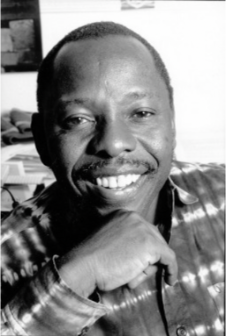
Nigeryjski pisarz Ken Saro-Wiwa był działaczem na rzecz ochrony środowiska i praw człowieka. Urodził się w 1941 roku w Ogonilandzie (obecnie stan Rivers) w delcie Nigru. W 1995 roku został stracony przez reżim wojskowy generała Sani Abachy wraz z ośmioma innymi działaczami, a jego nazwisko stało się synonimem walki o sprawiedliwość środowiskową, prawa człowieka i odpowiedzialność korporacji.
Saro-Wiwa początkowo zyskał sławę dzięki tekstom satyrycznym. Jego najbardziej znana książka, „Sozaboy” (1985), to pełna czarnego humoru powieść antywojenna napisana w języku, który sam nazywał „zgniłym angielskim”, odrzucającym język kolonizatorów. W latach 80. stworzył niezwykle popularny serial komediowy „Basi & Company”, w którym wyśmiewał korupcję i jej konsekwencje w bogatej w ropę Nigerii. Znał ten temat od podszewki, ponieważ pracował jako młodszy administrator na polu naftowym Bonny i na własne oczy widział, jak wydobycie ropy niszczy ziemię, pozbawia ludzi środków do życia i burzy tkankę społeczną lokalnych społeczności.
W latach 90. porzucił satyrę na rzecz działalności na rzecz praw człowieka i ochrony środowiska, stając na czele Ruchu na Rzecz Przetrwania Ludu Ogoni (MOSOP). MOSOP prowadził pokojową kampanię przeciwko działalności wielkich międzynarodowych korporacji (zwłaszcza Royal Dutch/Shell), domagając się większej autonomii politycznej oraz sprawiedliwego podziału dochodów z ropy naftowej z lokalną społecznością. Protesty obejmowały pokojowe marsze, w których brało udział nawet 300 000 Ogoni, co zwróciło międzynarodową uwagę na łamanie praw człowieka w delcie Nigru. Nigeryjska dyktatura wojskowa zareagowała brutalnie, rozprawiając się z protestującymi (chociaż koncerny naftowe zaprzeczały jakiemukolwiek udziałowi w tych wydarzeniach).
W 1994 roku Saro-Wiwa razem z ośmioma innymi aktywistami został aresztowany pod zarzutem morderstwa i skazany przez tajny trybunał wojskowy, pomimo dowodów na ich niewinność oraz faktu, że zarzuty miały podłoże polityczne. Zostali skazani na śmierć w procesie, który spotkał się z powszechną krytyką ze strony zagranicznych organizacji na rzecz praw człowieka. Mężczyźni zostali powieszeni w 1995 roku w Port Harcourt, co powszechnie uznano za „mord sądowy” i co wywołało burzę oburzenia na całym świecie. Prezydent Republiki Południowej Afryki Nelson Mandela zażądał zawieszenia Nigerii w prawach członka Wspólnoty Narodów, które potrwało trzy lata.
Egzekucja Kena Saro-Wiwy stała się symbolem globalnej walki przeciwko niesprawiedliwości środowiskowej i represjom, ujawniając, jak szkody ekologiczne często w nieproporcjonalny sposób dotykają marginalizowane społeczności oraz jak głęboko ochrona środowiska jest powiązana z prawami człowieka, demokracją, sprawiedliwością społeczną i odpowiedzialnością korporacji. Trzydzieści lat później, w 2025 roku, prezydent Bola Tinubu pośmiertnie ułaskawił „Dziewiątkę Ogoni” w ramach corocznego nigeryjskiego Dnia Demokracji, jednak ponieważ ułaskawienie sugeruje winę, wielu uważa, że nie zrekompensowało to w pełni historycznej niesprawiedliwości wyrządzonej Kenowi Saro-Wiwie i pozostałym członkom „Dziewiątki Ogoni”.
Od naszych Czytelników i Czytelniczek
Bądźmy w kontakcie! Napisz do nas na adres: xr-newsletter@protonmail.com
Prześlij ten newsletter znajomemu. Jeśli ta wiadomość została Ci przekazana, dołącz do nas i subskrybuj newsletter XR Global. Jeśli masz jakieś pytania lub opinie, chętnie je przeczytamy. Skontaktuj się z nami pod adresem xr-newsletter@protonmail.com
P.S. Chcesz działać? Przekaż darowiznę, aby pomóc napędzać rebelię!